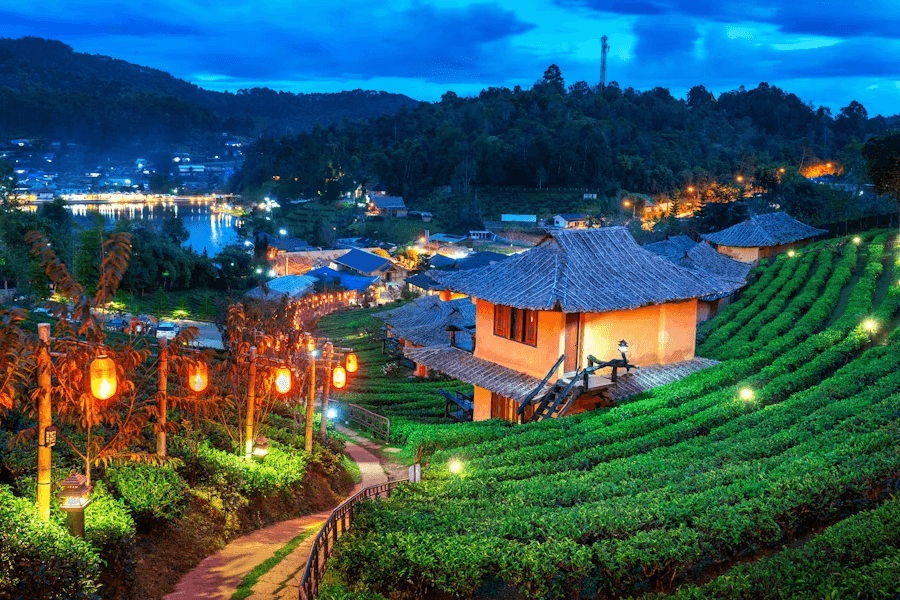
About Nagaland
Nagaland is home to numerous tribes, each with distinct customs and festivals. Its modern history is shaped by colonial and post-independence transitions.
English is widely spoken, making it accessible for travelers.
Travel infrastructure is basic but steadily improving.
Ease of Travel: ⭐⭐⭐☆☆ (3/5)
Things to Explore
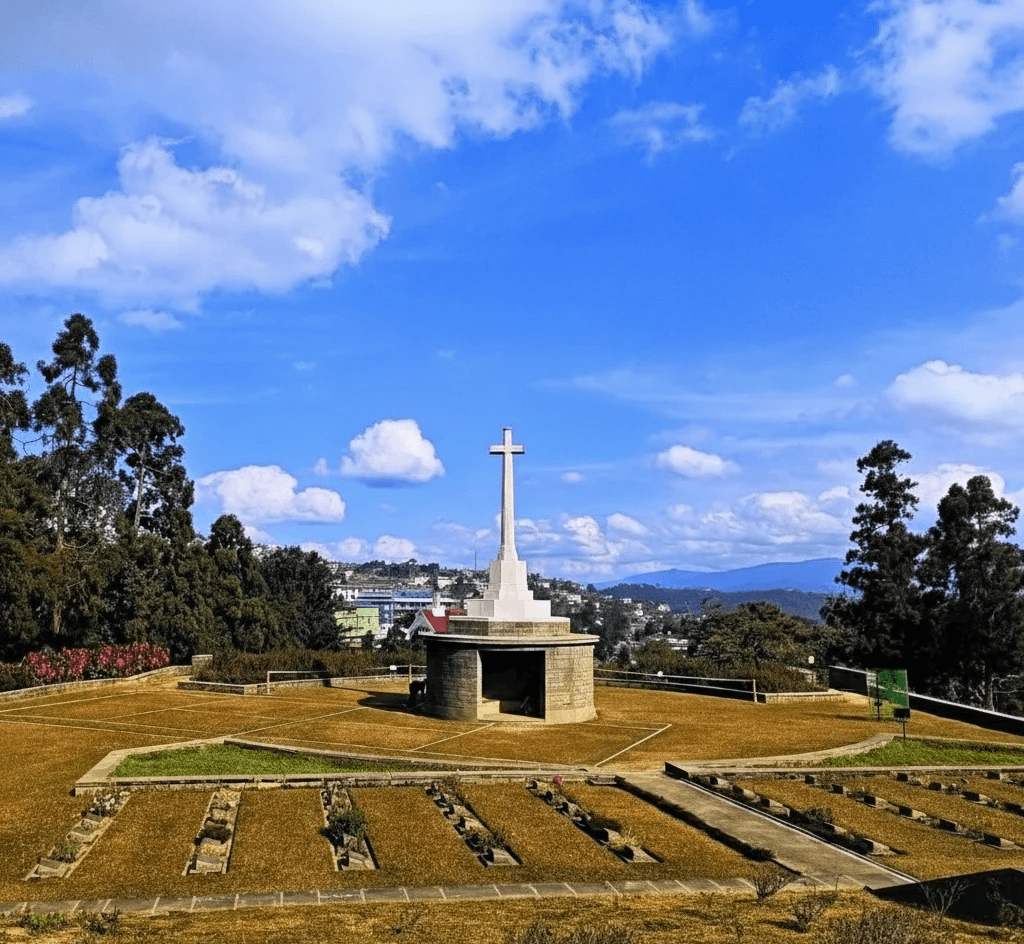
War Cemetery
Quiet memorials, hillside views, and historical reflection

Naga Cuisine
Fermented flavors, smoked dishes, and regional spice
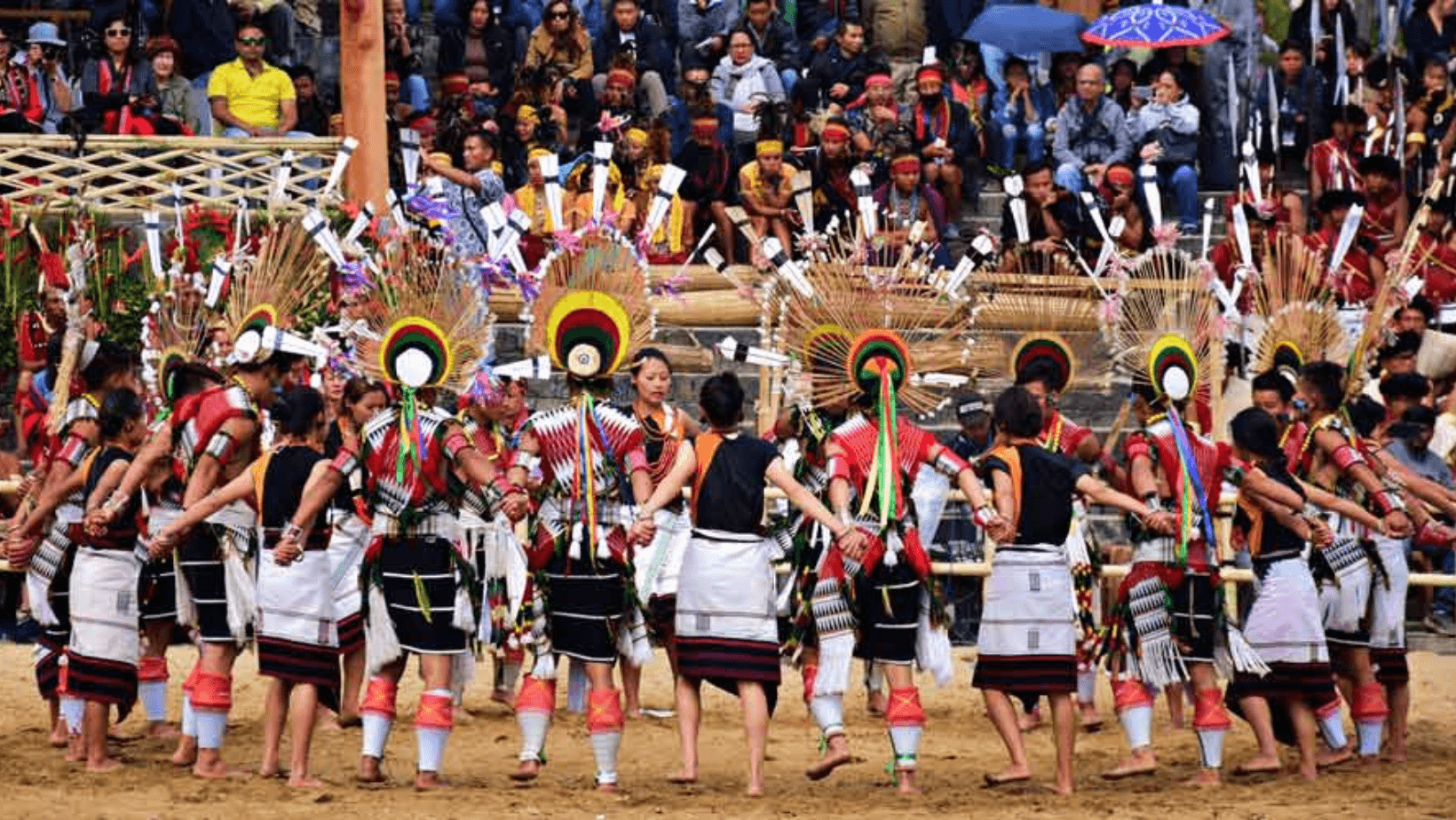
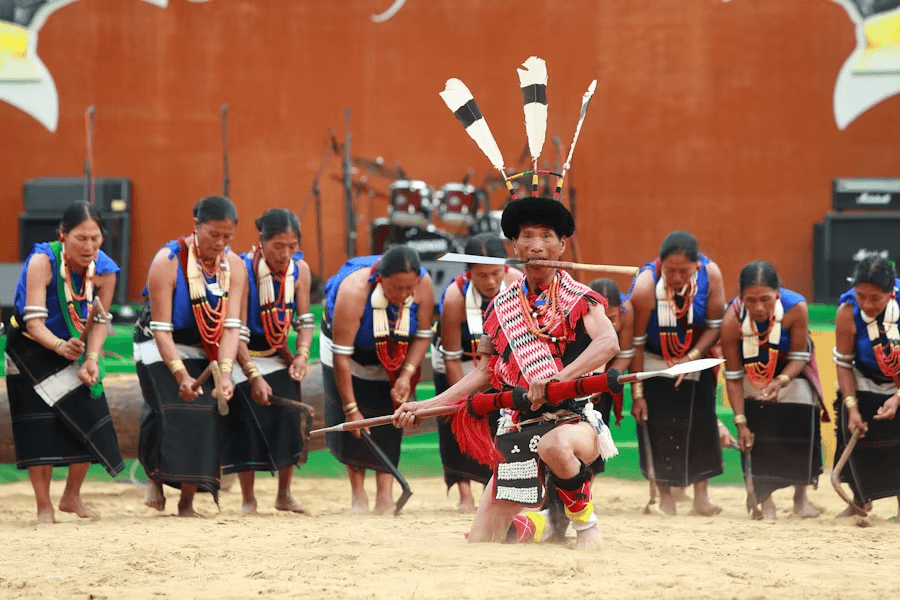
Hornbill Festival
Tribal performances, traditional attire, music, and celebration
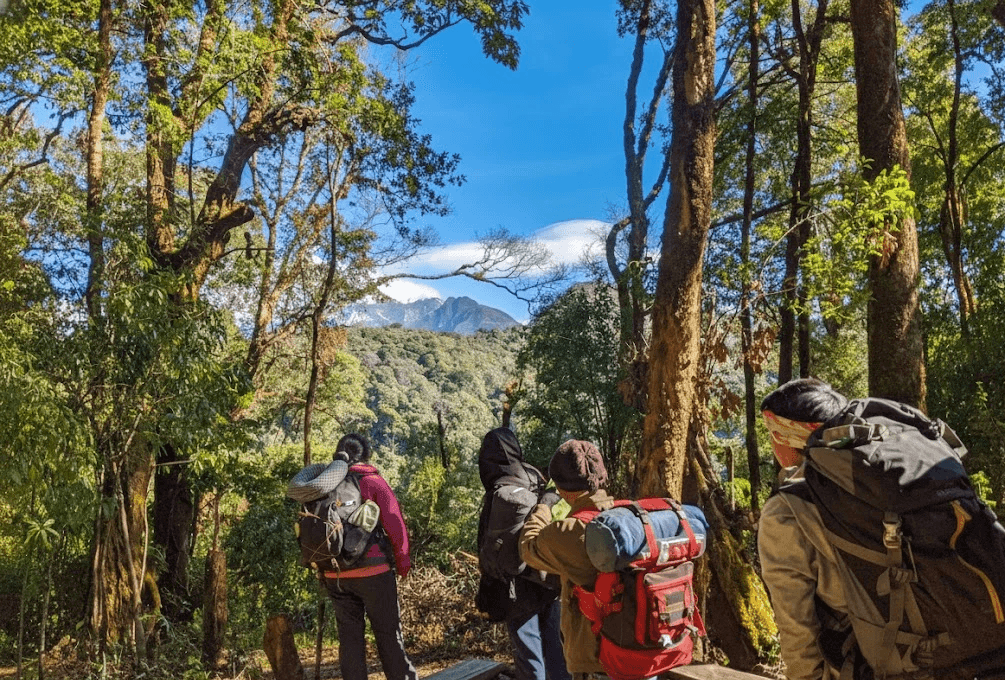
Forest Trails
Jungle paths, birdlife, and nature walks
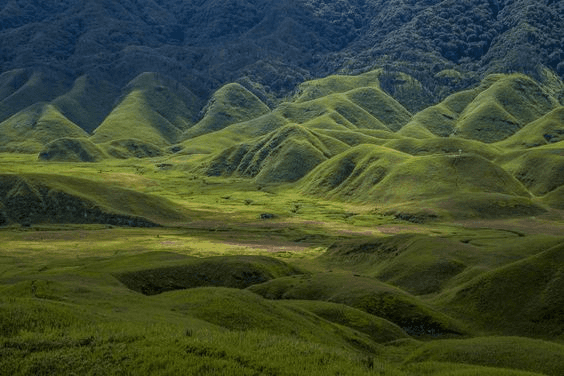
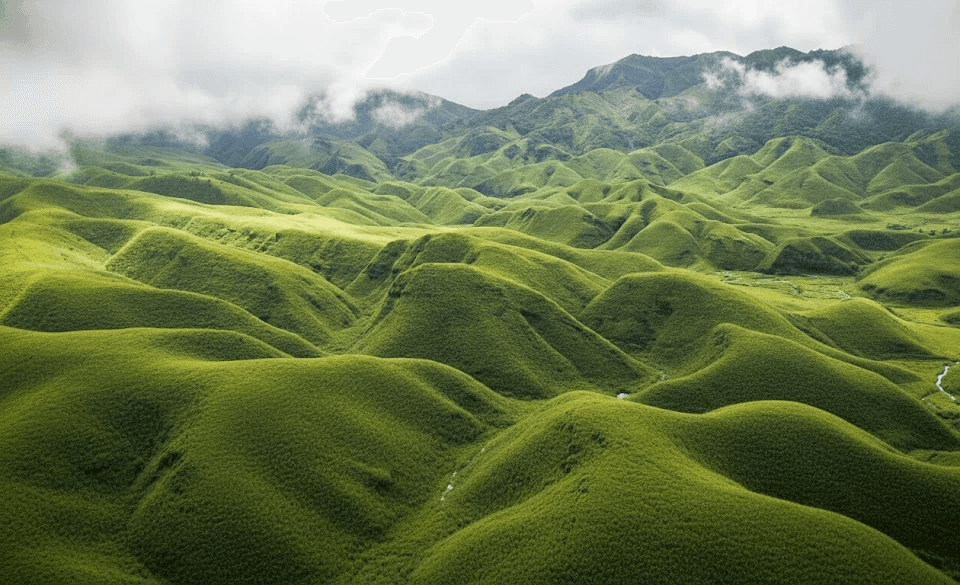
Kohima Hills
Hill views, town life, and cultural crossroads
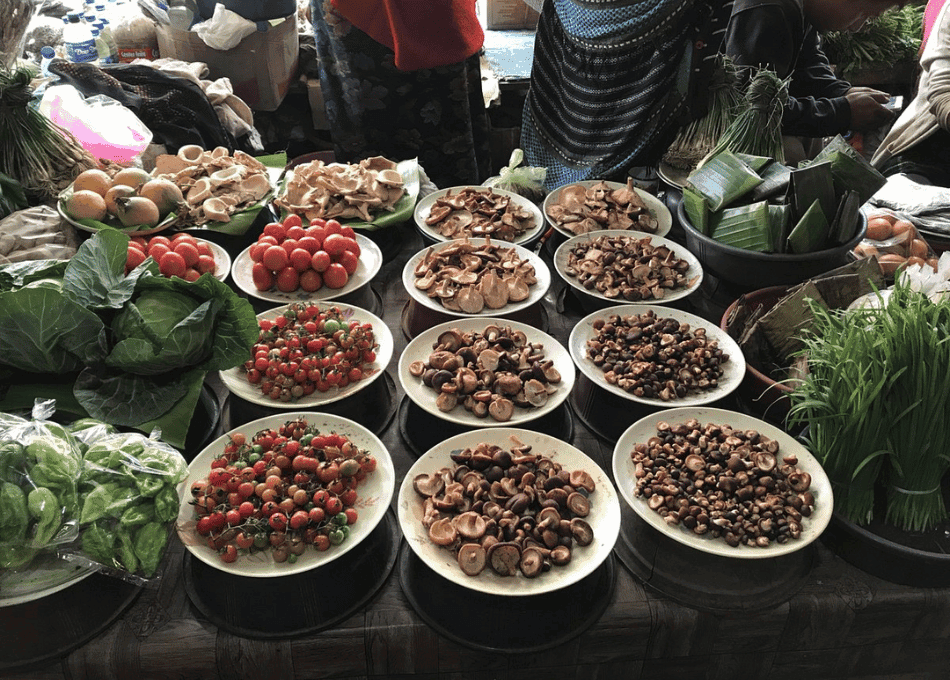
Local Markets
Smoked meats, forest produce, and everyday trade
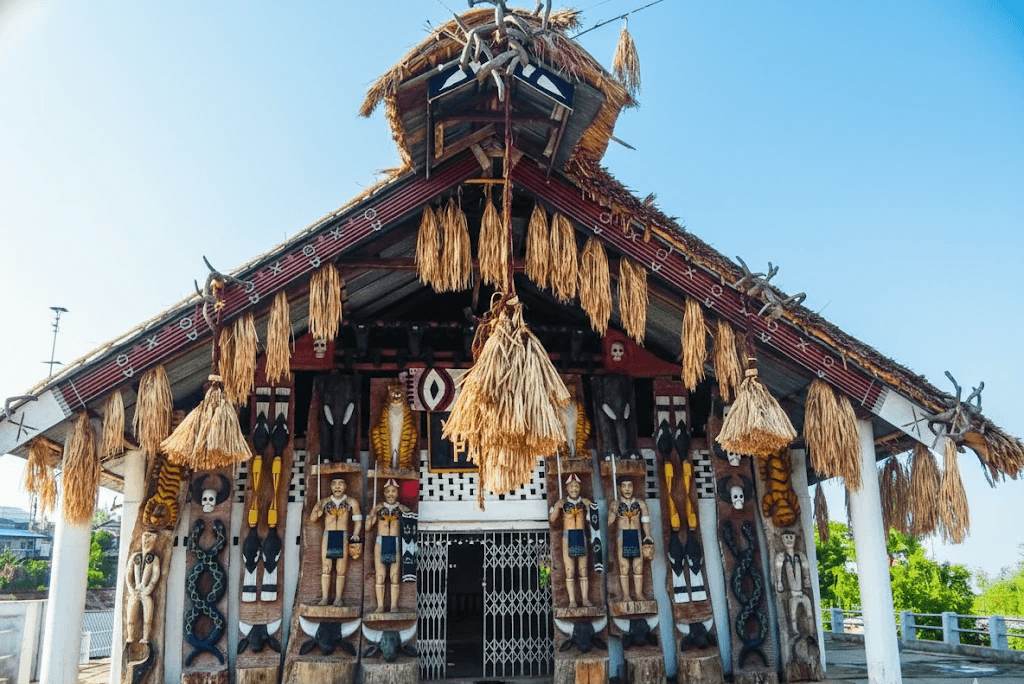
Village Life
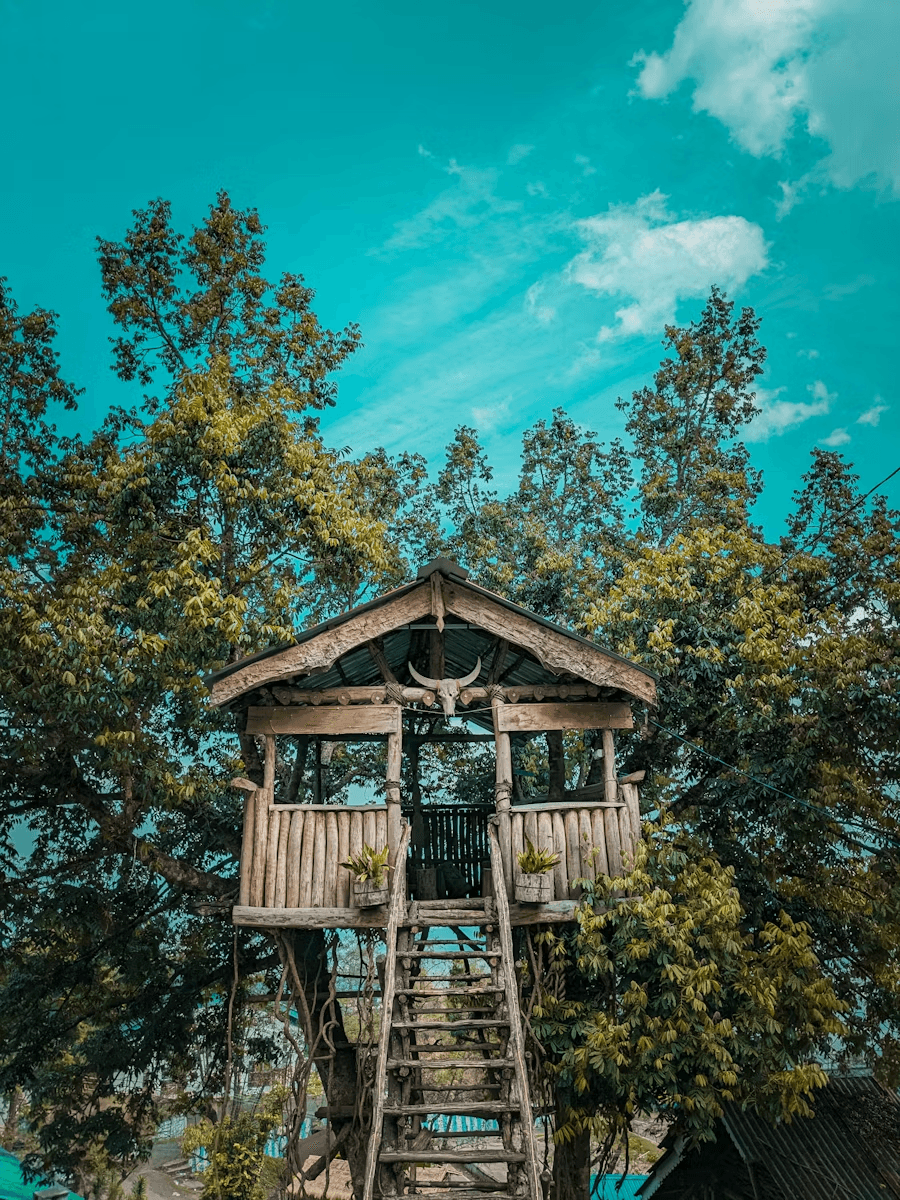
Morung houses, community spaces, and ancestral customs
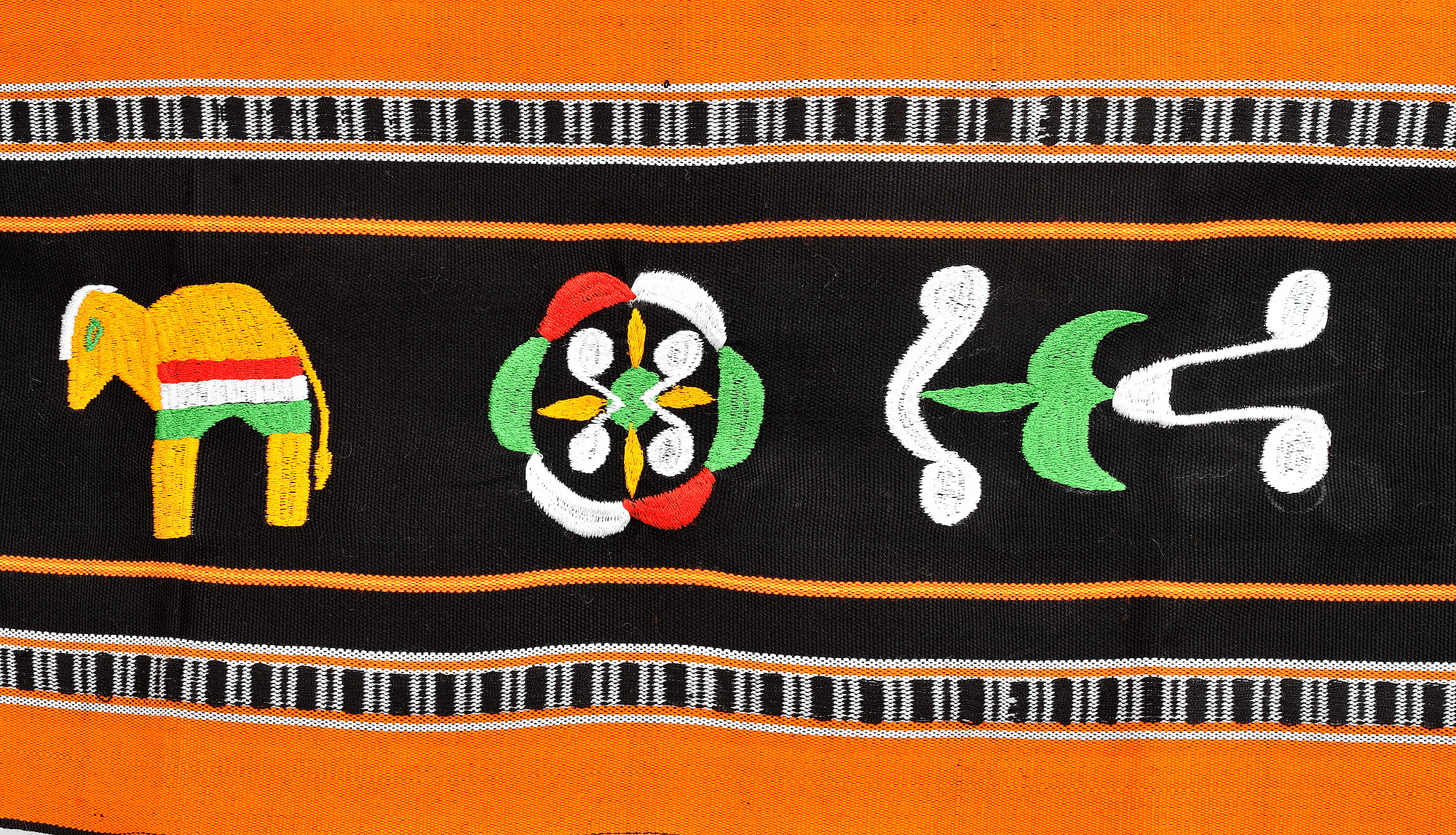
Handwoven Textiles
Bold patterns, traditional looms, and craftsmanship
Other Places to Explore
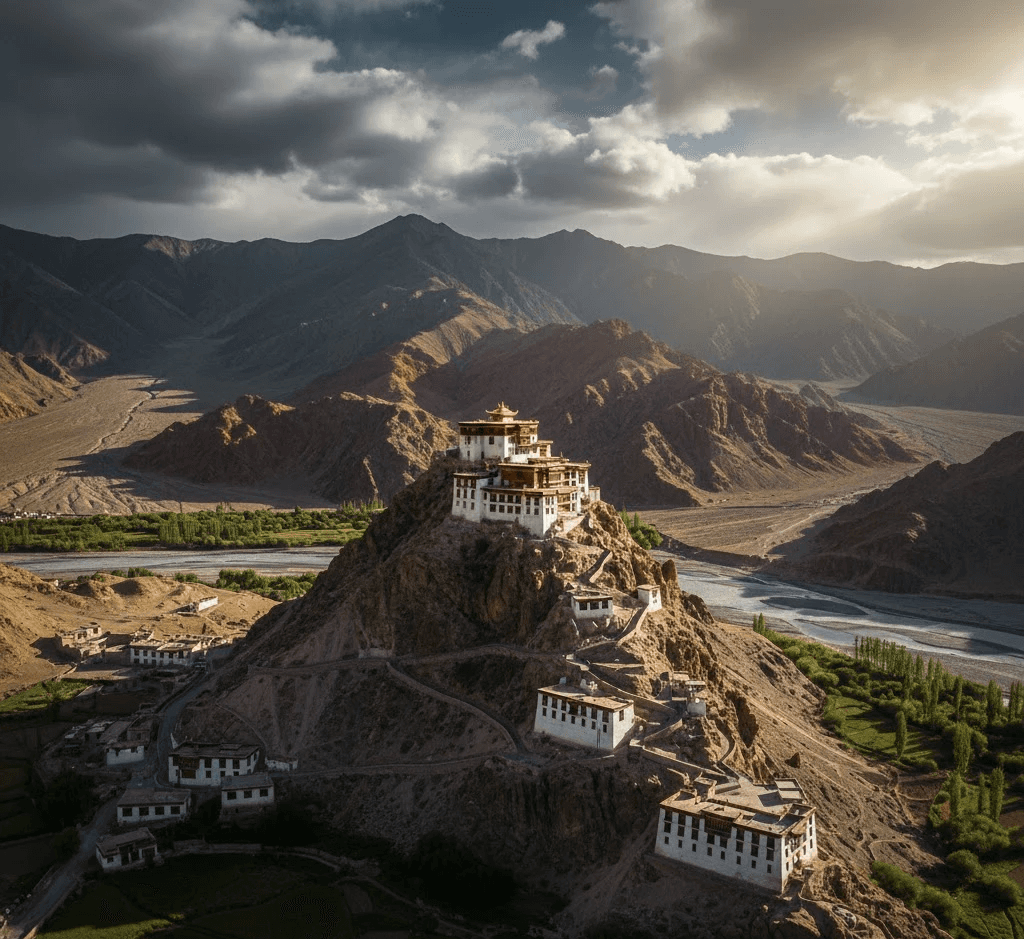
Ladakh
High-Altitude Desert
See Details
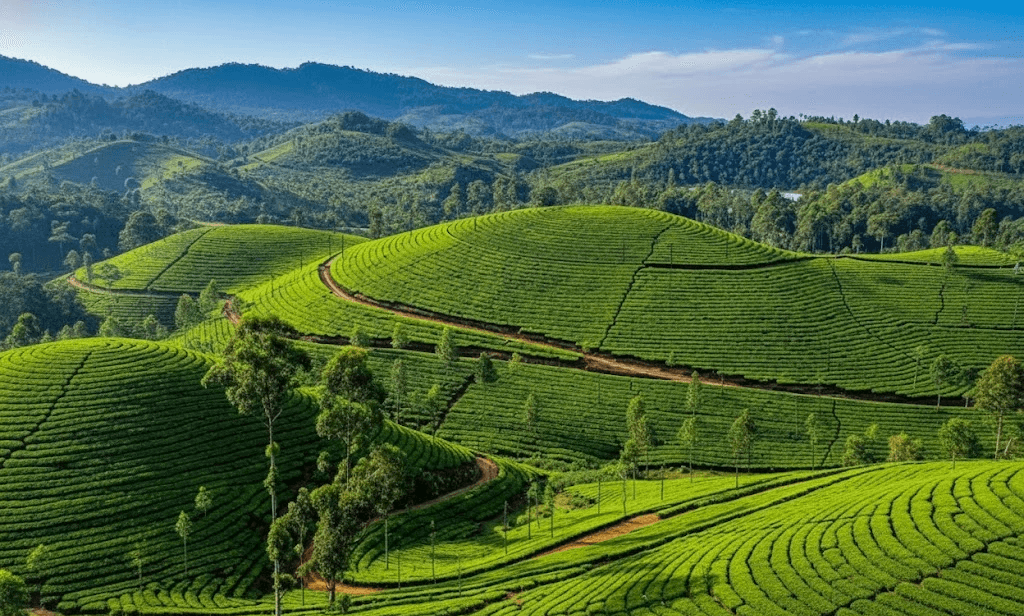
Kerala
The Green Corridor of India
See Details

Lakshadweep
India’s Coral Islands
See Details
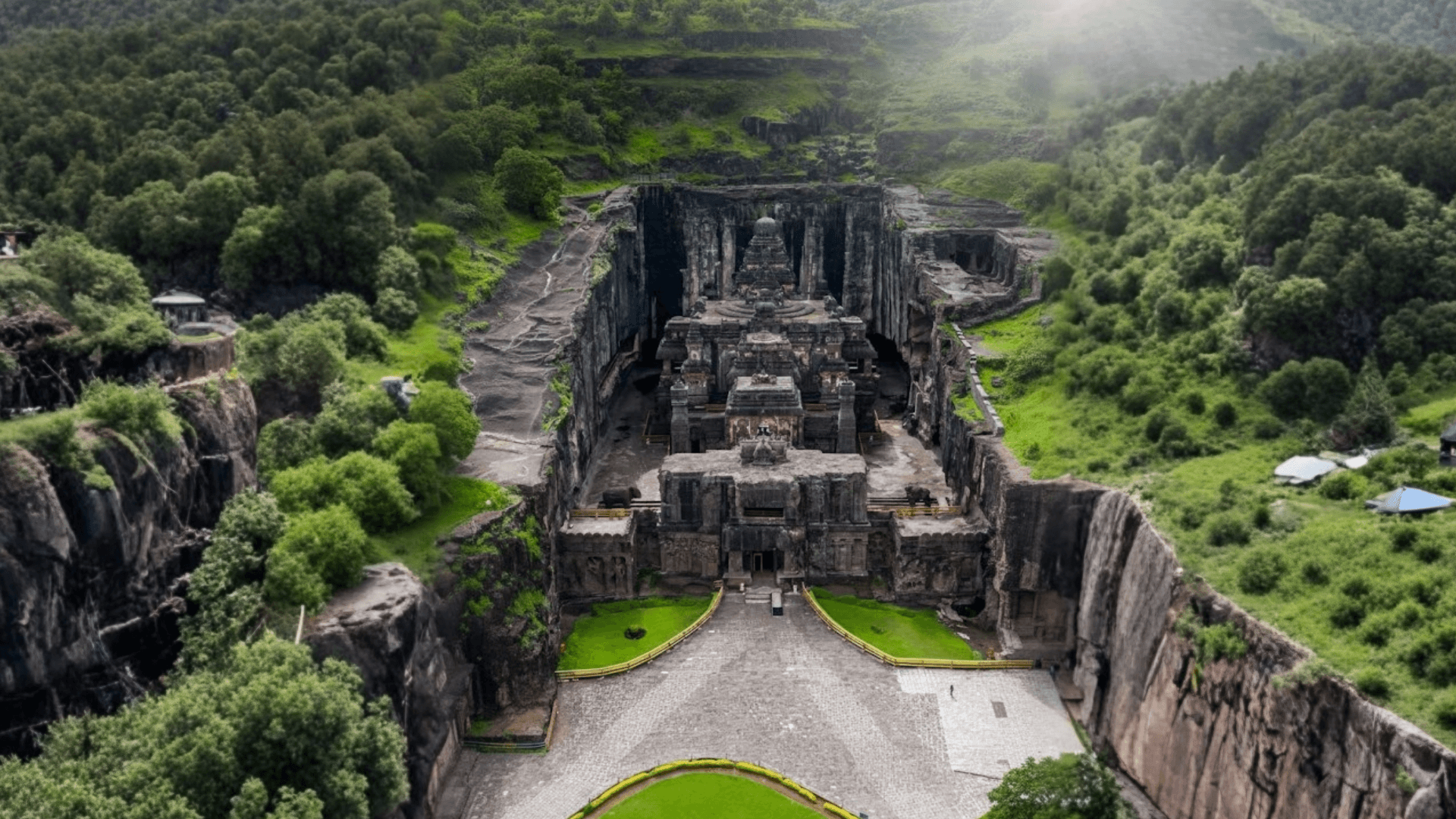
Maharashtra
India’s Economic Powerhouse
See Details
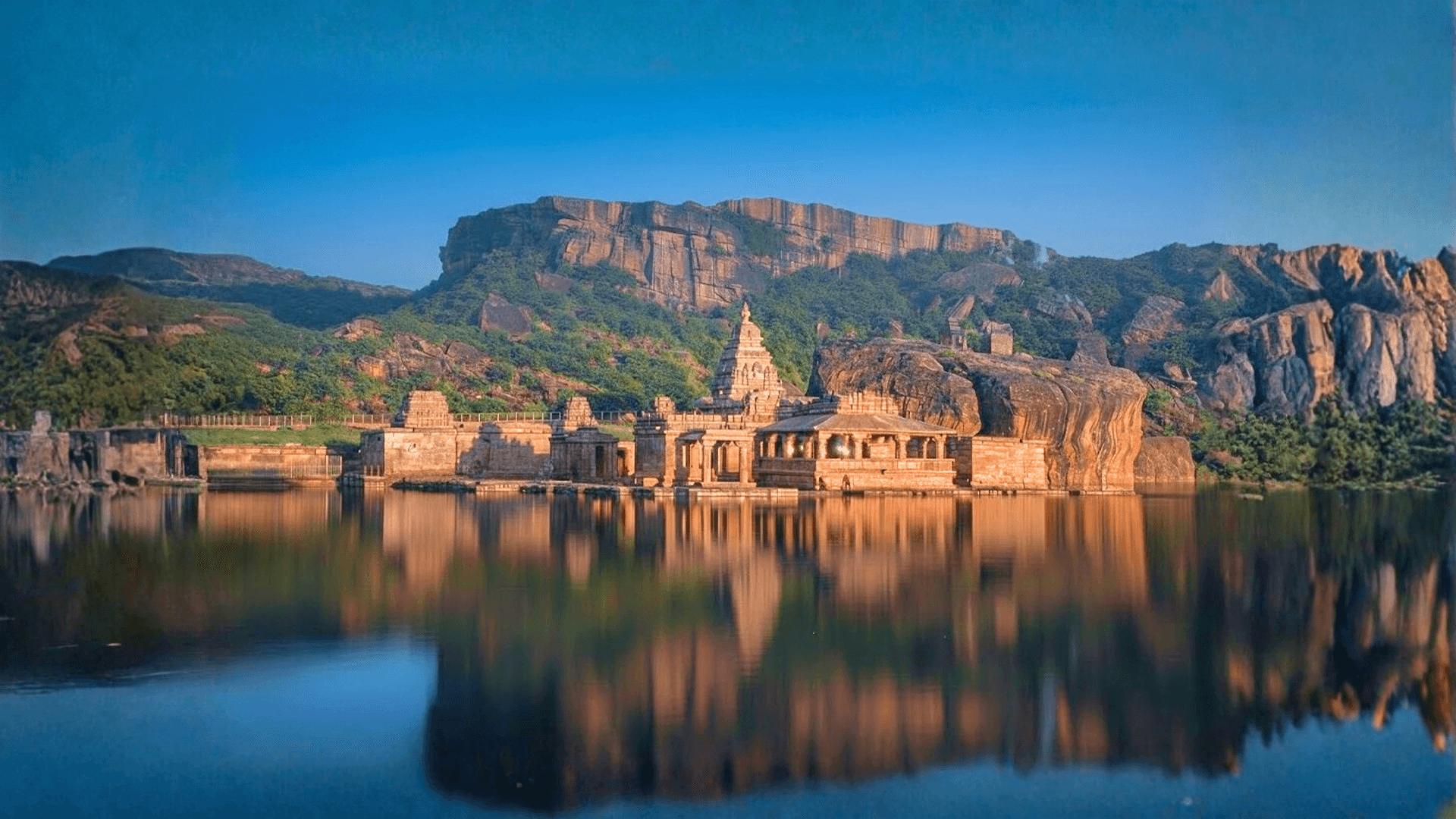
Karnataka
Crossroads of Heritage and Innovation
See Details
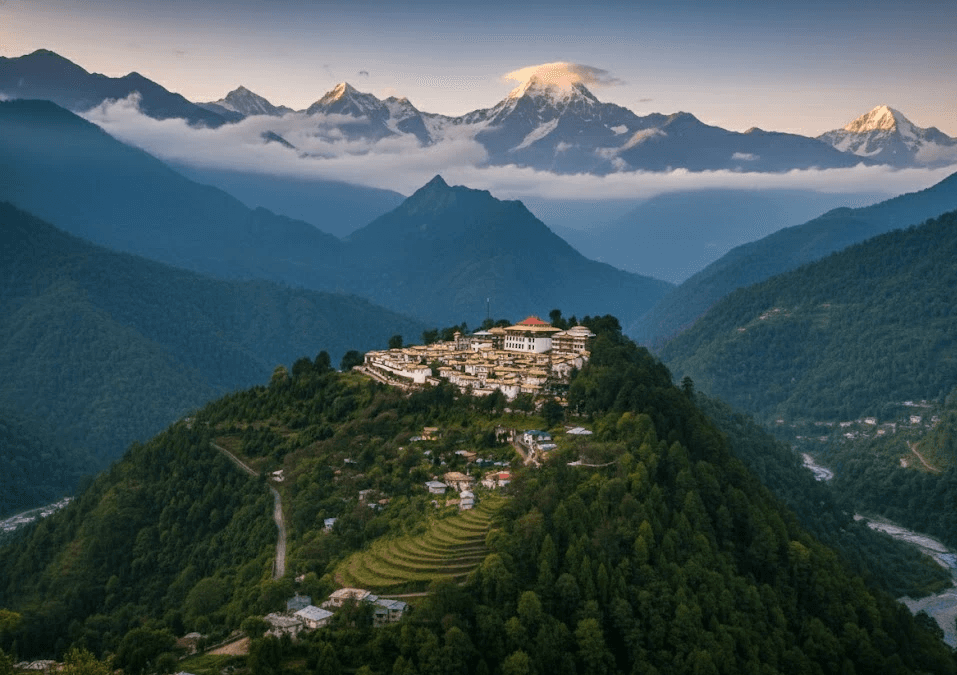
Arunachal Pradesh
The Eastern Himalayan Frontier
See Details