6 mins Read Time
“How do I plan a trip when online information is confusing or contradictory?”
This question appears every single day on Reddit, travel forums, and Facebook groups, usually posted by travelers who have already spent hours researching and feel more confused than when they started.
And that confusion isn’t a personal failure. It’s a side effect of how travel information works today.
The internet doesn’t lack advice. It has too much of it.
Blogs say one thing.
Vlogs show another.
Forums argue endlessly.
Locals do something completely different.
So who is right?
The uncomfortable truth is that everyone is right, and no one is fully correct. Travel advice is shaped by timing, location, budget, personal comfort, and experience. What worked for one traveler last year might be wrong today. What feels safe to one person might feel overwhelming to another. Online content freezes experiences in time, but real places keep changing.
Why Every Forum Has Different Advice
Forums feel honest because they’re personal, but that’s also why they conflict. One person’s “must-avoid area” is another person’s favorite neighborhood. One traveler’s disaster is another traveler’s smooth ride. Advice is often shared without context, and context is everything.
Most people don’t mention when they traveled, where exactly they were, how experienced they are, or what they were comfortable with. Without that, advice becomes noise, not guidance.
Why Google and Blogs Often Make It Worse
Search engines reward content that ranks, not content that understands you. Blog posts are written to be helpful to everyone, which usually means they’re perfect for no one. Lists get outdated quickly. Safety advice becomes overly cautious. Recommendations are repeated until they sound universal, even when they’re not.
What you end up with is information overload, dozens of tabs open, conflicting opinions, and a growing feeling that you’re missing something important.
The Difference Between Information and Understanding
This is where most trip planning breaks down. Information tells you what exists. Understanding tells you what applies to you. And understanding usually comes from people who live there.
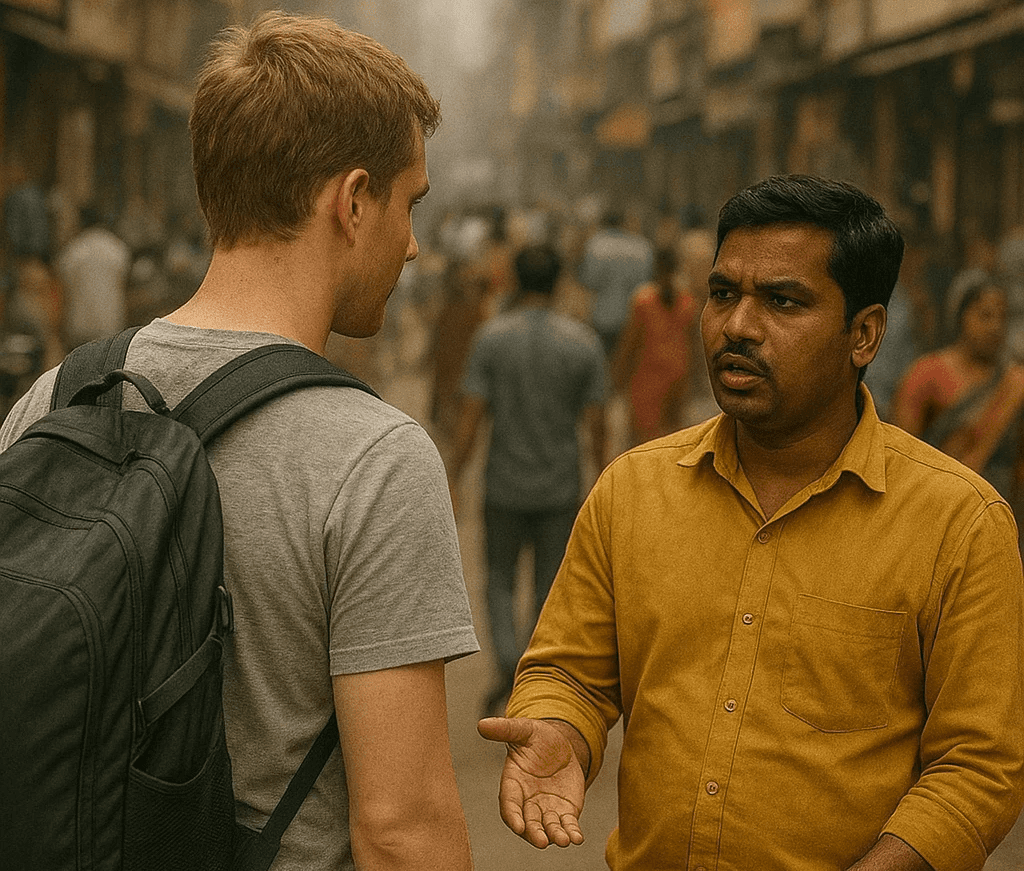
Locals don’t travel by guides. They travel by instinct, habit, and lived knowledge. They know which advice is outdated, which warnings are exaggerated, and which small details actually matter. That’s why travelers often arrive and think, “Why does everything feel different from what I read online?”
How to Filter Noise from Reality
The goal isn’t to consume more content. It’s to narrow your sources and anchor your decisions in reality. Instead of asking, “What should everyone do?” ask, “What makes sense for me, right now, in this place?”
Reliable planning comes from:
• Current, on-ground insight
• Local perspectives, not just tourist stories
• Advice tailored to your pace, comfort, and goals
• Someone who can explain why something works, not just what to do
When you have that, conflicting advice stops being stressful. It becomes easy to ignore.
How Planout Solves Information Overload
This is exactly the problem Planout was built to solve. We don’t add more blogs, lists, or generic advice. We translate noise into clarity.
Instead of telling you what the internet says, we tell you what locals actually do. We help you understand which advice applies to you and which you can safely ignore. Routes, stays, transport, safety, timing, and expectations are explained with context, not checklists.
Travelers don’t come to Planout because they lack information. They come because they’re drowning in it. What they need is confidence, not another tab to open.
With local guidance, decisions become simpler. Planning becomes lighter. And instead of second-guessing every choice, you move forward knowing someone who understands the place has your back.
When Planning Feels Hard, It’s a Sign You Care
If online information feels confusing, it doesn’t mean you’re bad at planning. It means you’re thoughtful. The best trips usually start with uncertainty, not certainty.
The solution isn’t to plan harder. It’s to plan smarter, with real insight instead of endless opinions.
When the noise fades, travel becomes what it should be, exciting, grounded, and human again.